Are you tired of HubSpot’s escalating costs eating into your agency’s profits?
You’re not alone.
I’ve been hearing from more agencies about their $1,200-$2,000 monthly HubSpot bills. Meanwhile, GoHighLevel offers unlimited everything for a flat $97-$297/month.
But is GoHighLevel actually better for agencies?
Quick decision
What I like about GoHighLevel over HubSpot 👍
- Predictable flat pricing: $97-$297/month regardless of contacts or users—perfect for scaling agencies
- Built-in white-labeling: Rebrand everything as your own platform and resell to clients
- All-in-one approach: No need to juggle multiple tools or subscriptions
- Agency-focused features: Client management, sub-accounts, and reseller programs built specifically for agencies
- Unlimited everything: Contacts, users, funnels, and campaigns without extra charges
- Multi-channel communication: SMS, WhatsApp, and voice calls integrated alongside email
What I like about HubSpot over GoHighLevel 👍
- Superior email deliverability: HubSpot’s email reputation and templates are industry-leading
- Polished user interface: More professional-looking reports and dashboards that impress enterprise clients
- Enterprise-grade features: Advanced reporting, sophisticated automation workflows, and robust analytics
- Strong ecosystem: Extensive app marketplace with hundreds of integrations and a large community
Upfront bottom line ✨
GoHighLevel wins for most agencies, but HubSpot still has its place.
If you’re running an agency that serves small to mid-sized businesses, GoHighLevel’s flat pricing (at $97/month) and white-label capabilities make it the obvious choice. You’ll save thousands monthly while offering clients a branded platform they can’t get elsewhere.
HubSpot remains superior for agencies serving enterprise clients who demand sophisticated reporting and industry-leading email deliverability. The higher costs are justified when you’re charging premium prices
The tipping point?
If HubSpot costs are eating more than 15% of your monthly revenue, it’s time to switch.
Overview
What does GoHighLevel do?

GoHighLevel is built specifically for agencies and marketers who want to consolidate their entire tech stack.
It’s an all-in-one platform that includes CRM, sales funnels, email marketing, SMS campaigns, appointment booking, and website building – all under one roof.
The key difference? You can white-label everything and resell it to your clients as your own platform.

Try GoHighLevel Free for 30 Days
Test the all-in-one platform risk-free. Build funnels, automate marketing, and manage clients in one place.
Verified
What does HubSpot do?

HubSpot is the enterprise-grade CRM and marketing powerhouse that pioneered inbound marketing.
It operates as a modular system with different “hubs” like Sales Hub, Marketing Hub, Service Hub, and Operations Hub. You can combine these based on your needs.
It’s designed for businesses that want sophisticated marketing automation and detailed analytics.
But here’s the catch: it’s built for end-users, not agencies looking to resell services.

Try HubSpot Free for 14 days
Get started with HubSpot's CRM and marketing tools at no cost.
Verified
Key difference #1: Pricing comparison with hidden costs
The most significant difference between these platforms is their pricing.
GoHighLevel’s pricing stays the same whether you have 100 contacts or 100,000.

The Starter plan gets most agencies going, while the Unlimited plan removes the 3 sub-account limitation.

HubSpot’s pricing gets tricky when you realize each team member costs extra. And essential features are locked behind higher tiers.
What starts as “$20/month” quickly becomes $200+ for a small team when you add the per-user costs. Then you’ve got setup fees, onboarding costs, and premium features that require jumping to expensive tiers.
But here’s where GoHighLevel’s “flat pricing” gets complicated.
Yes, the subscription is flat. But there are hidden costs:
- SMS messages cost extra ($0.01-0.04 per message)
- Email overages cost $0.01 per email beyond your limit
- Phone numbers cost $2/month each
- Many agencies end up needing Mailgun for better deliverability ($35+/month)
A realistic GoHighLevel cost for an active agency is $400-600/month including these extras.
HubSpot’s costs are more predictable in some ways – you know exactly what each user costs.
But the per-user pricing can explode quickly. A 5-person team on Professional plans costs $450/month before any add-ons.
The difference?
GoHighLevel’s extra costs scale with usage (more messages, more emails). HubSpot’s costs scale with team size.
🏆 Winner: For agencies, GoHighLevel’s model usually works better because you can pass SMS and email costs to clients, but you can’t easily pass per-user fees.
Key difference #2: CRM and contact management
This is where the platforms show their true colors for agency work.
GoHighLevel’s CRM is built around the agency-client relationship.
You get a comprehensive view of each contact that includes lead scoring, detailed customer data, and automated pipeline movement based on actions.

What I really like about GoHighLevel’s approach is the multi-channel communication hub.
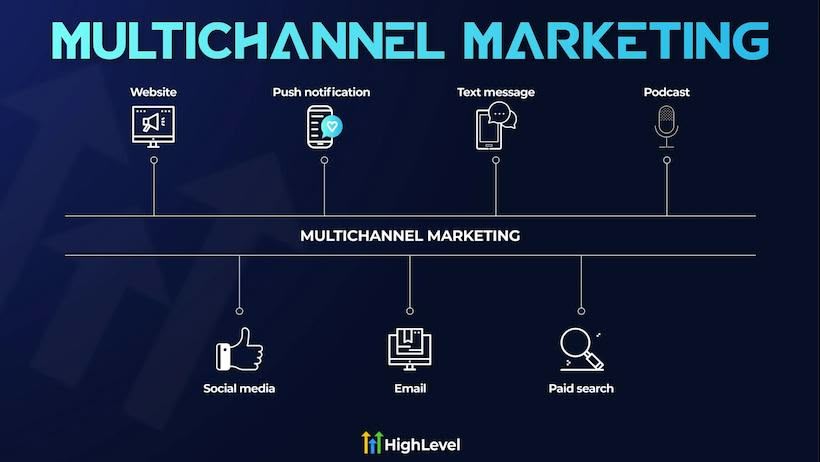
You can manage SMS, email, Facebook Messenger, and even voicemail drops all from one interface. For agencies juggling multiple clients, this consolidation is huge.
The visual pipeline management lets you set automated rules for lead movement.
- If a lead doesn’t respond within 3 days, automatically move them to a different campaign.
- If they click a specific link, tag them and trigger a follow-up sequence.
HubSpot’s CRM is more sophisticated but also more complex.

It excels at detailed contact properties, custom fields, and advanced segmentation.
You can track every interaction, create detailed buyer personas, and build complex automation workflows.
Where HubSpot shines is in enterprise-level contact management.
The reporting is more robust, the contact scoring is more sophisticated, and the integration with their marketing tools creates a comprehensive view of the customer journey.
🏆 Winner: HubSpot’s CRM is built for managing your own contacts. GoHighLevel’s CRM is built for agencies managing contacts across multiple clients, with sub-accounts, white-labeling, and reseller capabilities baked in.
Key difference #3: Email marketing and deliverability
This is where the trade-offs get real.
HubSpot has industry-leading email deliverability.

Their reputation with ISPs is excellent, their templates are professional, and their analytics are comprehensive.
If email marketing is your primary channel, HubSpot delivers better inbox rates.
GoHighLevel’s email system has issues.

Many users report 30% lower delivery rates compared to dedicated email platforms. Also their system uses Mailgun for bulk emails, which adds complexity and cost.
But GoHighLevel compensates with multi-channel marketing.
While HubSpot focuses on email, GoHighLevel lets you combine email with SMS, WhatsApp, and voice messages in the same campaigns.
For local businesses and service-based industries, SMS often outperforms email anyway.
🏆 Winner: If you’re running sophisticated email campaigns for enterprise clients, HubSpot is the better choice. But if you’re doing multi-channel marketing for local businesses, GoHighLevel works better despite the email limitations.
Key difference #4: White-labeling and reseller opportunities
This is GoHighLevel’s killer feature and where HubSpot can’t compete.
GoHighLevel lets you completely rebrand the platform as your own.

Your clients see your logo, your colors, your domain. You can even create mobile apps with your branding.
The reseller program lets you charge clients a markup while GoHighLevel handles the infrastructure.
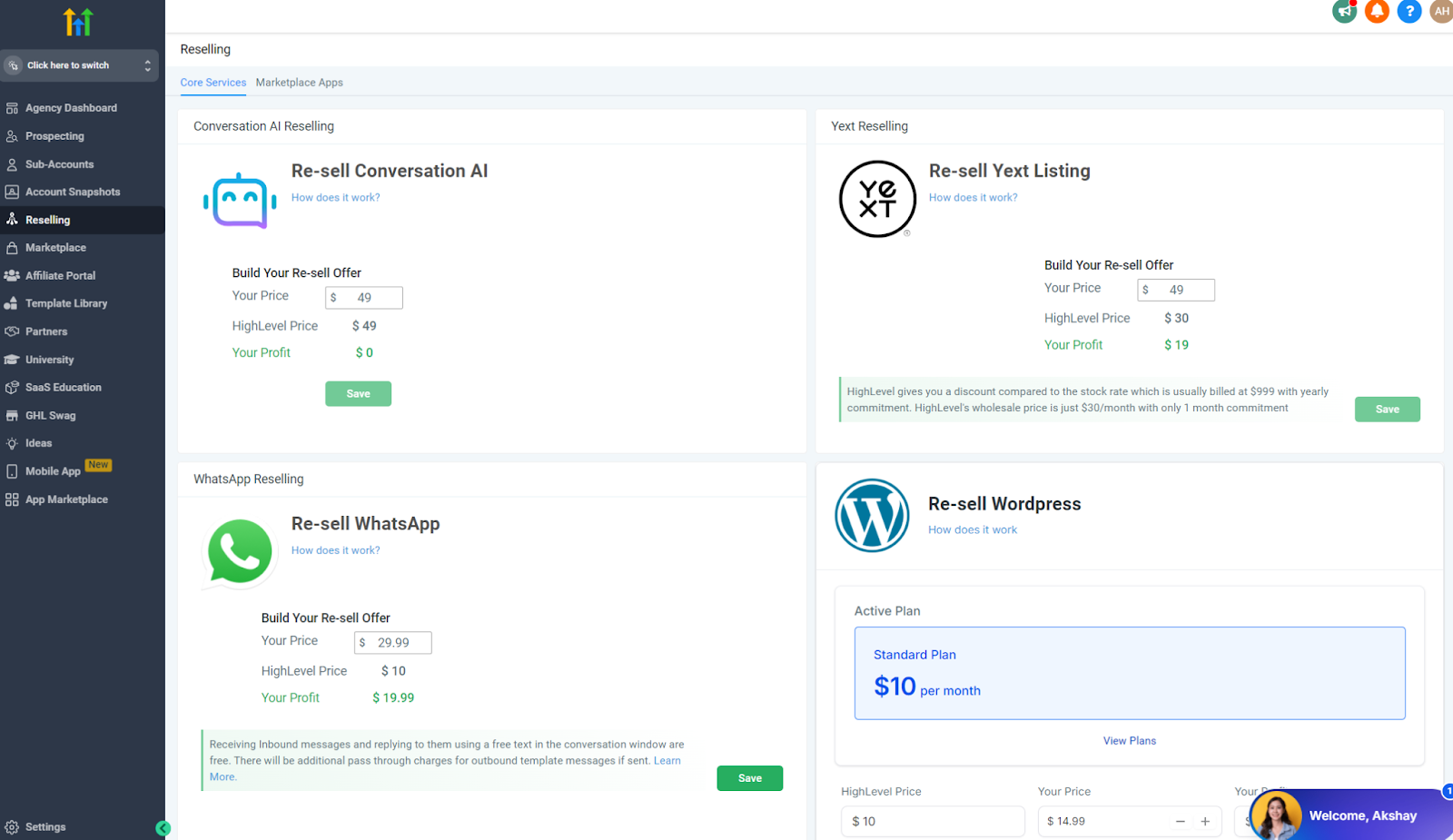
You need at least 5 clients paying $97/month to break even on the $297 Unlimited plan, but every client beyond that is pure profit.
You can add value with custom frameworks, pre-built snapshots, and automated workflows. Smart agencies create industry-specific templates and charge premium prices.
Now:
HubSpot has a partner program, but it’s not the same.
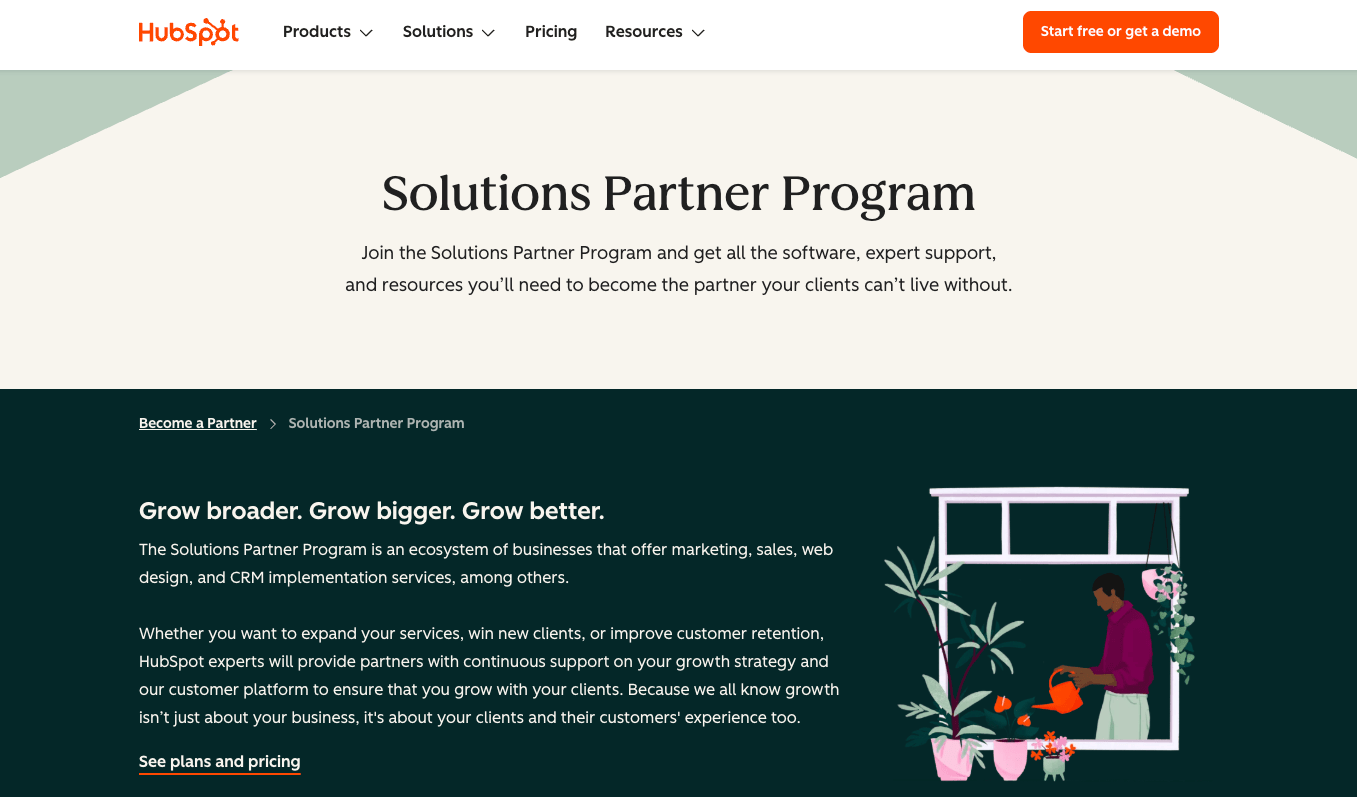
You’re still sending clients to HubSpot’s platform, not your own branded solution. The recurring revenue opportunity isn’t there.
Key difference #5: Integration capabilities
HubSpot wins on integration depth with over 1,000 apps in their marketplace.
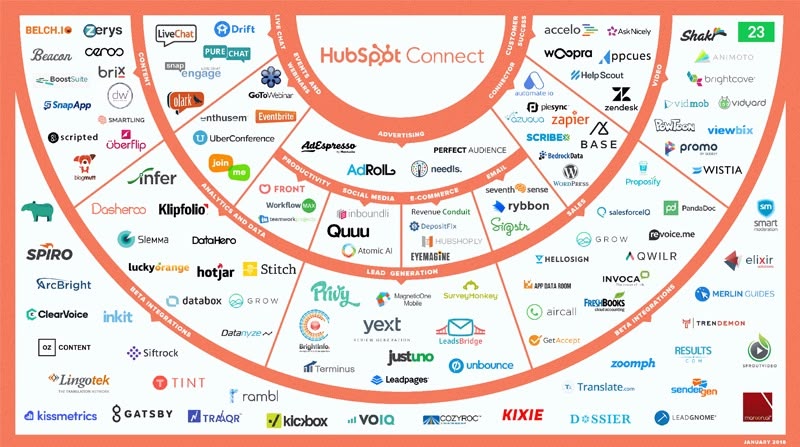
The API is robust, the documentation is excellent, and the ecosystem is mature.
GoHighLevel has around 350 integrations, which covers most agency needs but isn’t as comprehensive.

However, the all-in-one approach means you need fewer integrations anyway.
The real question is: do you want to integrate with many specialized tools, or do you want one platform that does everything reasonably well?
Verdict
GoHighLevel isn’t perfect.
The interface can be clunky, the email deliverability is problematic, and there are occasional bugs that’ll frustrate you.
But it’s built for agencies in a way that HubSpot simply isn’t.
GHL’s white-labeling alone changes the game. Instead of being another agency selling HubSpot services, you become a SaaS provider.
Your clients see your brand, not a third-party platform. That’s a completely different value proposition and pricing model.
I’ve watched agencies struggle with HubSpot’s escalating costs as they grow. What starts as $200/month becomes $2,000/month as you add users and features. GoHighLevel’s costs are more predictable, even with the hidden charges.
But I won’t sugarcoat it – if you’re serving enterprise clients who demand sophisticated email marketing and pristine deliverability, HubSpot is still better. The reporting is more professional, and the features are more mature
My recommendation?
If you’re currently spending more than 15% of your revenue on HubSpot, seriously consider the switch to GHL.
The platform isn’t perfect, but for agency work, it’s designed around your actual needs rather than forcing you to adapt to an enterprise-focused system.