Are you ready to cash in on the digital shift without gambling on a random “get rich quick” idea?
AI has made creating faster, but it hasn’t changed what actually sells: clear outcomes, trust, and distribution.
In this guide, you’ll see the online business models that are working right now, from digital products and training to YouTube and blogging, plus practical ways to use AI to move faster without sounding generic.
Digital products
Digital products are anything you create once and deliver online, like ebooks, courses, templates, and graphics.
One of the biggest benefits is that you can create them once and sell them again and again, which makes them a great source of passive income.
They also have low overhead costs because there’s no need for physical inventory or shipping.
And since they’re digital, they’re easy to update and improve. If you keep improving based on customer feedback, you also build an entry barrier.
Digital products also have global reach. You can sell them to customers anywhere in the world without worrying about international shipping or customs.
For example, I have a software product, a Life Operating System built on top of Notion called CoreSystem.
I’ve explained how I did this in this blog post here.
🔑 The key to success with digital products is to focus on creating high-quality, valuable content that solves specific problems for your target audience.
Worksheets

Worksheets can be a profitable digital product if done right.
For example, if you have a blog around personal finance, you could create a budgeting worksheet that helps your readers get their spending under control.
You can also create a worksheet that helps people internalize the learnings from a book and put teachings into action.
You don’t need to be a designer to create these worksheets.
You can make use of Canva’s beautiful worksheet templates, design your worksheet, download it as a PDF, and upload it directly to Gumroad or Etsy.
No-code templates

No-code templates are a huge trend because they democratize the ability to build websites and apps without a single line of code.
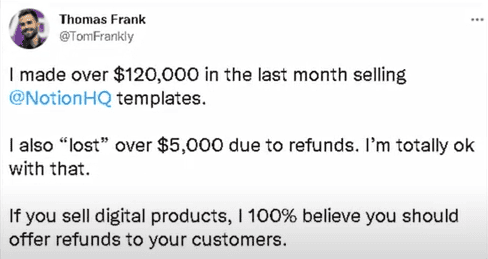
With platforms like Notion, Webflow, and Bubble, you can create custom templates for people in a specific niche or industry.
For example, you could create a project management template for startups or some habit trackers based on Atomic Habits principles.
If you’re not sure where to start, take a look at what other people are doing.
You can also check out websites like Gumroad and Creative Market to see what types of templates are selling well.
👉 Just remember to make your templates specific to a particular niche or industry and to focus on solving a specific problem for your customers.
Digital planners

Digital planners are popular on platforms like Amazon and Etsy.
You can create digital planners for specific niches, like online entrepreneurs or bloggers. You can also target only iPad or GoodNotes users.
To sell these planners, you can rank for keywords related to digital planners on Etsy or Gumroad.
People who are looking for digital planners will search for these keywords and buy your templates.
To sell your digital planners, you can rank for relevant keywords on platforms like Etsy or Gumroad.
Creating digital planners doesn’t have to be complicated. You can make use of Canva’s planner templates, create a clean design, export it as a PDF, and upload it to the platform of your choice.
👉 So, if you’re looking for a profitable online business idea, consider creating digital planners. They’re low-cost, customizable, and in high demand.
Graphics
If you’re a designer, you can create a set of images, illustrations, or even fonts related to a specific niche or interest.
For example, you can create a printable digital poster with niche-specific inspirational quotes for people to buy.
You can sell your digital graphics on platforms like Etsy, Creative Market, Design Bundles, Shutterstock, and Adobe Stock.
To stand out on these platforms, keep the style consistent, optimize your listings with keywords, create strong thumbnails, and offer bundles.
👉 Building a strong brand identity and promoting your designs on social media can also help increase your sales and visibility.
Checklists and guides

You can create checklists and guides for a variety of topics, such as organizational productivity, self-care, or travel.
These are easy to package as printable PDFs, like quick-start guides and checklist templates, and sell on platforms like Etsy or Gumroad.
Some high-selling guides on Etsy include wedding planning checklists, travel packing lists, and home organization guides.
The best angle is to create products around burning problems people are facing.
Microniche eBooks and courses
You can create an ebook or course around a specific topic, validate your course idea and even pre-sell your online course before you build the full thing.
Twitter can be a great social network for niche marketers. Build a following of like-minded people who are eager to buy products in your niche.
Once you have an audience, create a product around the micro niche and promote it.
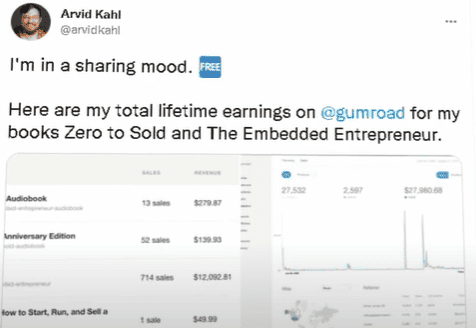
One example is Arvid Kahl. They built a following of over 20,000 people on Twitter and created a course called “The Bootstrapped Founder’s Playbook,” reportedly making over $100,000 in revenue.
Selling illustrations
If you’re good at design or drawing, you can make extra cash, or even potentially turn it into a full-time business by selling illustrations.
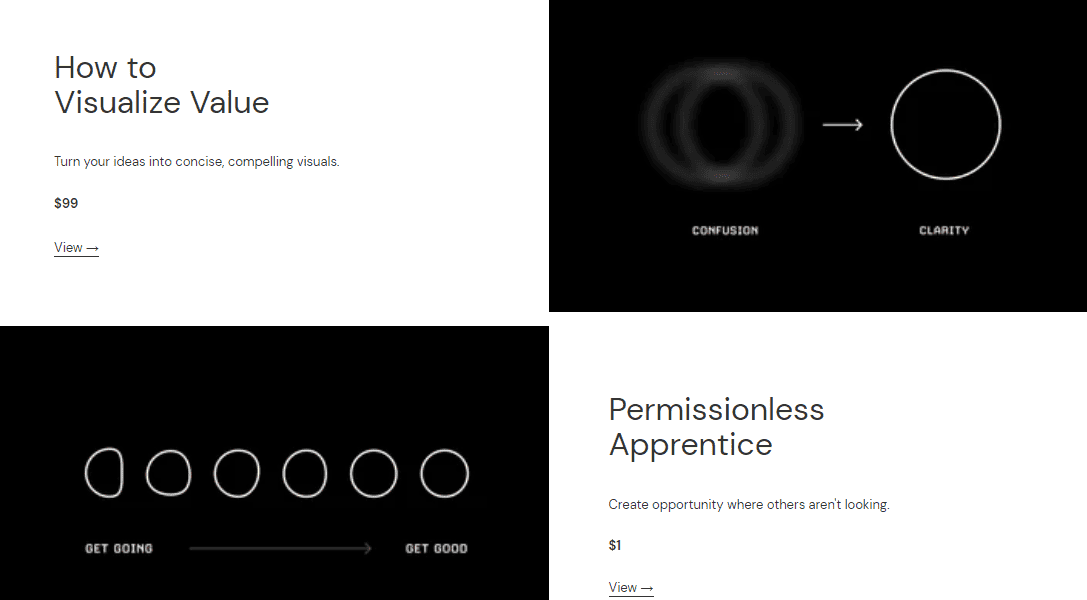
You can also explore NFTs and royalties if you want to experiment, but the safer path is packaging, licensing, and selling assets people can use.
By selling these digital assets on platforms like Dribbble, Creative Market, and Gumroad, you can build a strong income stream over time.
Training
Courses

People are realizing that what they learn in universities often doesn’t map to real outcomes.
Specific training in a field you care about can pay extremely well, especially if you can teach a clear framework and help people apply it.
To get started, check out our guide on profitable online course ideas to get started and the best online course platforms to publish it.
According to Inc, the eLearning industry is worth $107 billion and still booming. As a domain expert, you can leverage online courses and membership sites to take a larger piece of the pie.
You can kickstart your training business on platforms like Teachable to host your training courses.
For recording your course content, check out our guide on best course creation software for screen recording, and here’s how to structure your online course so people actually finish it.
After recording, the biggest challenge is marketing your online course effectively.
Here are some tips to market your training courses:
- Create a funnel around your training course that consists of free offers, low-risk offers, and webinars
- Get traffic by creating free content where your audience hangs out (YouTube, Quora, FB groups, etc.)
- Provide continuous value by giving buyers access to a members-only forum or community
- Create an affiliate program to reward people who promote your training courses
If you’re a beginner looking to market your training while focusing mostly on creation, you can join as an instructor on Udemy or Skillshare.
Consulting

Consulting is a lucrative profession that helps businesses and individuals navigate complex problems.
By creating standard procedures and templates and by using scheduling tools like Calendly and Google Calendar, it’s easier than ever to systematize your consulting process.
To become a successful consultant, first, build expertise in a specific area, build a strong reputation, and network to gain referrals.
High-ticket consulting can pay extremely well when the offer is tied to a clear outcome.
These are the top 5 ways to get more bookings as a consultant:
- Offer a free evaluation call to build trust
- Create short videos that showcase your consulting skills and share them
- Send hyper-personalized cold emails to potential clients (research first)
- Provide free value upfront (blog post, video, or consultation)
- Pitch your services once people are warmed up
For outreach, you need to identify the right email addresses.
I recommend using Hunter to find the most relevant email address within a company, ensuring your emails will be hyper-personalized.
Remember, your reputation is everything. Focus on delivering value and building proof.
YouTube

Did you know that YouTube is the second most popular search engine after Google?
As a blogger, I often recommend starting here: blogging vs youtube.
To get started with YouTube marketing, follow these steps:
- Choose a niche, such as tech or gadget reviews
- Research potential keywords with good traffic
- Use these keywords in your video description, tags, and subtitles to improve YouTube SEO
- Create engaging content for your chosen niche
- Update your channel regularly with fresh videos
It’s important to note that you shouldn’t rely solely on AdSense income from YouTube. Consider affiliate marketing or publishing sponsored content to diversify your income streams.
It’s common to get stuck choosing a niche. Start with a general idea and let the niche develop naturally based on what works.
Consistency is the key. Uploading even 1 video per week can compound growth.
Blogging

Blogging is a profession where you create and publish content online. If you’re brand new, start here.
The best part is that unlike creating software products, it requires little investment. All you need is a web hosting account, a domain, and WordPress.
Content investment varies depending on whether you outsource. Personally, I run multiple niche blogs and outsource content to Filipino, US, or Indian writers.
There are many ways to monetize a blog. But most bloggers focus on only 1 or 2. So I recommend getting proper training for blogging from an experienced blogger.
When it comes to blogging, there are 3 main ways you can earn money:
- Promoting your own products
- Affiliate marketing
- Advertising or AdSense
In order for blogging to provide a sustainable income, patience and consistency matter.
New to blogging? Start here!
Website flipping
Website flipping can be a great passive income play if done correctly with a proper team.
You need a team of content writers and SEO specialists for this to work.
There are 2 ways to approach this:
- Create new sites in bulk from scratch, grow them, and sell them.
- Acquire good sites making decent money, upgrade content, design, and SEO, and sell for more.
To succeed, you need negotiation skills, patience, and strong intuition.
When selling websites, it’s standard to sell at 20 times the current monthly income.
The price the buyer pays depends on factors such as:
- Quality of the content
- Brandability of the domain name
- Social media following
- Email subscribers
- Backlink profile
- Traffic (diversified traffic works great)
- Post-sale guidance and assistance received
If you’re interested in learning more, refer to this site-flipping guide by Matt Diggity.
If you want to buy and sell websites, it’s better to buy via email outreach and sell via brokers like EmpireFlippers, Flippa, and FE International.
Domain investing
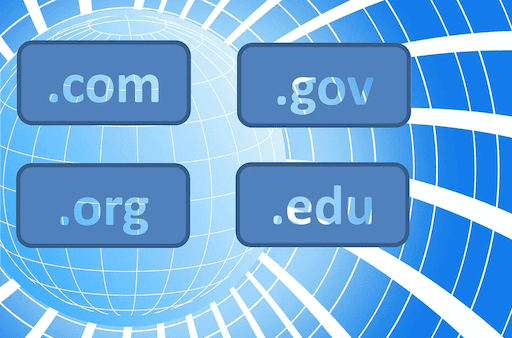
Domains are virtual real estate, and a good brandable .com domain name can cost a pretty penny.
But investing in domains can yield profits if you understand trends.
That said, it’s not recommended for beginners.
Here are my top 5 tips:
- Stay up-to-date with industry news: Keep informed about industry news and trends.
- Use keyword research tools: Spot trending keywords early.
- Check social media: Social media is a great platform to identify what’s trending.
- Follow successful domain investors: Learn from people with a strong track record.
- Be creative: Creativity helps you spot unique opportunities.
Freelancing

The freelance industry keeps growing due to remote work and flexible hiring.
To get started in freelancing, you can join a freelancer site like Upwork or Outsourcely and build your profile.
It’s important to specialize in a niche when freelancing.
Apart from using marketplaces, there are several other ways to find freelancing opportunities:
- Send cold emails to potential clients
- Network on LinkedIn
- Join Facebook groups for freelancers
- Attend industry events or conferences
- Build a personal website or portfolio
Freelancers like virtual assistants, social media managers, SEO freelancers, graphic designers, programmers, and video editors have a bright future.
However, this requires a client-serving mindset, so it’s important to consider whether this is the right path.
👉 Also read: 7 Proven Ways to Get High-Paying Freelance Writing Jobs for Beginners
Video editing

The freelancing industry has seen a sharp rise in demand for video editors.
To get started as a video editor, you need a good understanding of video editing software such as Adobe Premiere Pro, Final Cut Pro, and DaVinci Resolve.
Once you have the necessary skills, build a portfolio and find clients on sites like Upwork, Fiverr, and Freelancer.
Virtual assistant
Virtual assistants are in high demand and can perform tasks such as data entry, customer service, and administrative support.
To get started as a virtual assistant, you need strong communication and organizational skills. You also need to learn software such as Microsoft Office and Google Suite.
Copywriting

Copywriting is writing that sells. The goal is to create content that makes people want to buy a product, service, or idea.
To become a better copywriter, analyze top-performing copy and practice writing.
Graphic design
Graphic design offers excellent freelance opportunities.
To get started as a graphic designer, you need to learn design software such as Adobe Photoshop, Illustrator, and InDesign.
With the rise of generative AI, it may also be worth learning tools like Photoshop AI, MidJourney, and Stable Diffusion.
eCommerce
Amazon FBA
Amazon FBA stands for “Fulfilled by Amazon.”
In this industry, you purchase products at wholesale prices and list them on Amazon at a higher price.
To succeed, you need to sell white-labeled products and ship them to Amazon Fulfillment centers.
These centers handle shipping, packaging, and support for the products.
Here are some key points about Amazon FBA:
- Initial costs include inventory, Amazon account registration, product photography, logos, and UPC codes
- Finding a profitable niche is crucial for success
- Use tools like JungleScout for product research
- Source private-label products from overseas suppliers on platforms like Alibaba
- Focus on marketing and creative aspects while Amazon handles logistics
If you’re just starting out, this guide by StartupBros is a good resource.
Also listen.
For Amazon FBA businesses, efficient inventory management is crucial because:
- Storage fees can quickly eat into profits if inventory isn’t managed properly
- Stock-outs can lead to lost sales and decreased search rankings
- Overstocking ties up capital and increases storage costs
Dropshipping

Are you tired of managing inventory, storage, and shipping for your online store?
If so, dropshipping might be the solution you’ve been searching for.
With this business model, you don’t have to worry about holding stock or shipping products.
Instead, you act as a mediator between the customer and the supplier, promoting the supplier’s products on your website.
And the best part?
Once a customer purchases, the supplier delivers the product on behalf of you.
Beginner dropshippers often make common mistakes such as failing to establish a clear target audience, not building strong supplier relationships, underestimating shipping times and costs, setting uncompetitive prices, and ignoring customer feedback.
To succeed in dropshipping, you need to:
- Choose a profitable niche
- Research the competition thoroughly
- Establish strong relationships with suppliers
- Create high-quality product descriptions
- Use clear, attractive product images
And once you have those things in place, consider marketing strategies like social media advertising, SEO, and influencer marketing to drive traffic to your store.
And don’t forget to offer excellent customer service to build trust and loyalty with your customers.
👉 In short, dropshipping is a viable online business idea for anyone looking to start an e-commerce business without the hassle of managing inventory. But in order to succeed in this competitive market, you need to avoid common mistakes and implement actionable strategies.
Final words
These aren’t the only profitable online businesses, but I believe they’re among the top ones at the moment.
Online training, in particular, is expected to grow significantly in the near future.
If you explore any of these fields, you’ll find numerous untapped opportunities waiting to be discovered.
It’s important to stay informed about the constantly evolving online landscape.
I hope you found this post helpful.
Don’t forget to share it with your friends.