SEO is dying. And we’re the ones who killed it by feeding our content to AI models.
Here’s what’s happening:
Google shows instant answers for nearly everything.
And 65% of people don’t click through to any website anymore.
Even internet giants are seeing their traffic plummet.
Why?
Because AI answers are sophisticated, personalized, and instant. No more clicking through pages to find what you need.
But here’s what’s even more concerning:
Google’s now training AI on YouTube transcripts, especially from long-form podcasts. They can pull answers directly from video content too.
With Google Deep Research, things got worse. This tool analyzes over 100 articles at once and generates custom research reports in any format you want.
Add Gen Z’s shrinking attention span to the mix, and we’re looking at a perfect storm for traditional content creators.
You might think, “Surely some people will still prefer reading full articles, right?”
Here’s the brutal truth:
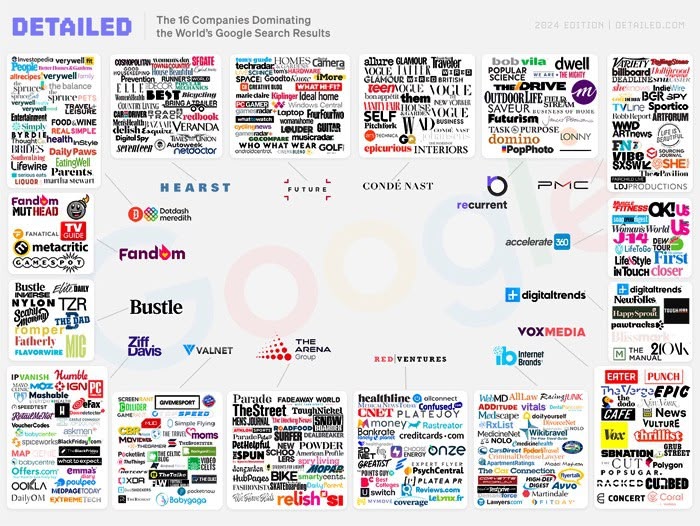
Just 16 major companies are now dominating Google’s search results.
When you search for anything today, 7 out of the top 10 results typically come from these corporate giants.
And this trend is only getting worse.
These mega-sites are seeing massive traffic growth month after month.
The internet is starting to look a lot like old-school media, where a few big companies control what we read and hear.
Thinking about switching to social media ads instead? I have bad news for you.
Ad costs are going through the roof, and many creators can’t even break even on what they spend on marketing.
Then, how to drive traffic? (solution)
But here’s the million-dollar question: how do you actually generate traffic in 2026 when:
- SEO is becoming increasingly ineffective
- Paid advertising ROI is plummeting
- Social media reach is more competitive than ever
The answer?
Choose your primary platform strategically.
Focus on channels where AI can’t easily replace human connection.
Let me break this down with a real example.
Start by being honest about your content style.
Are you good on camera, or do you prefer writing?
If you’re into writing, platforms like Medium and Substack are showing promising growth.
These platforms come with built-in trust and engaged readers.
Take Medium for example – quality content gets rewarded.
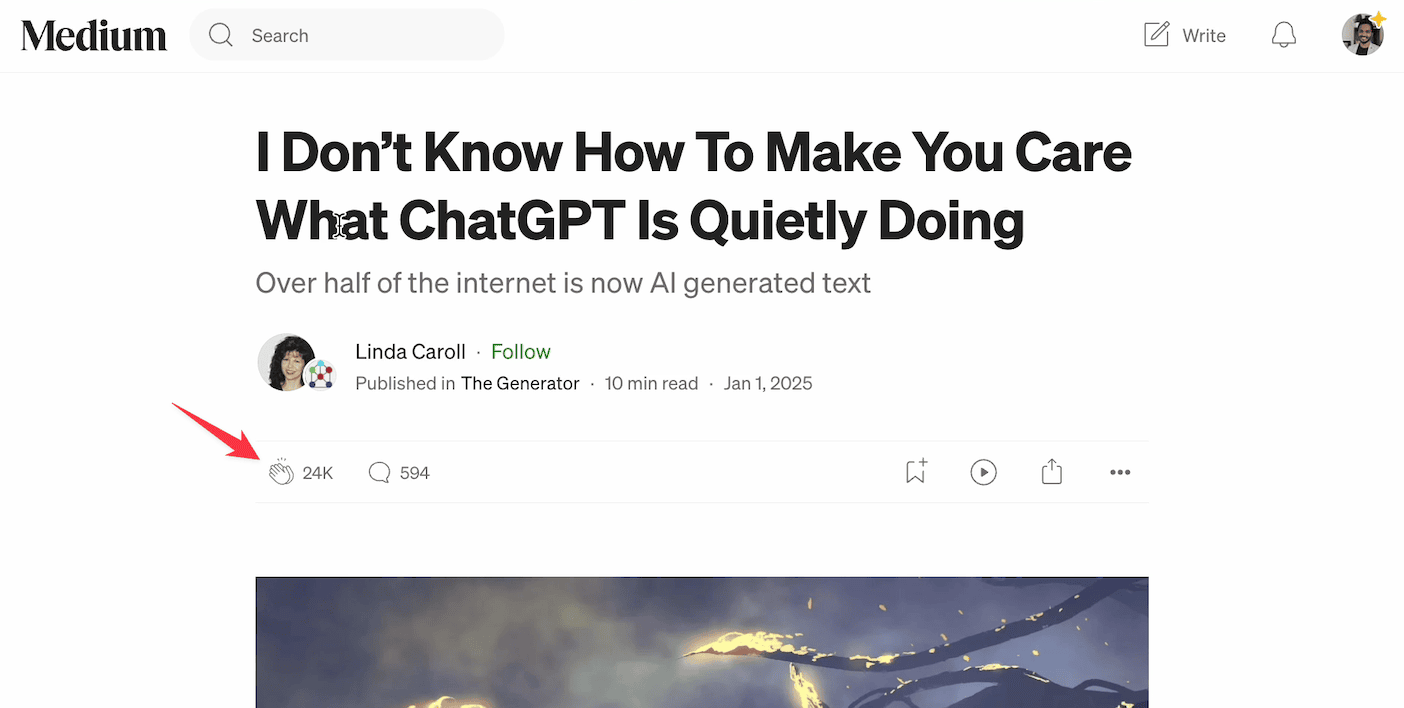
If your articles don’t get reader claps, they won’t be distributed.
For video creators, short-form content is popular but often lacks depth.
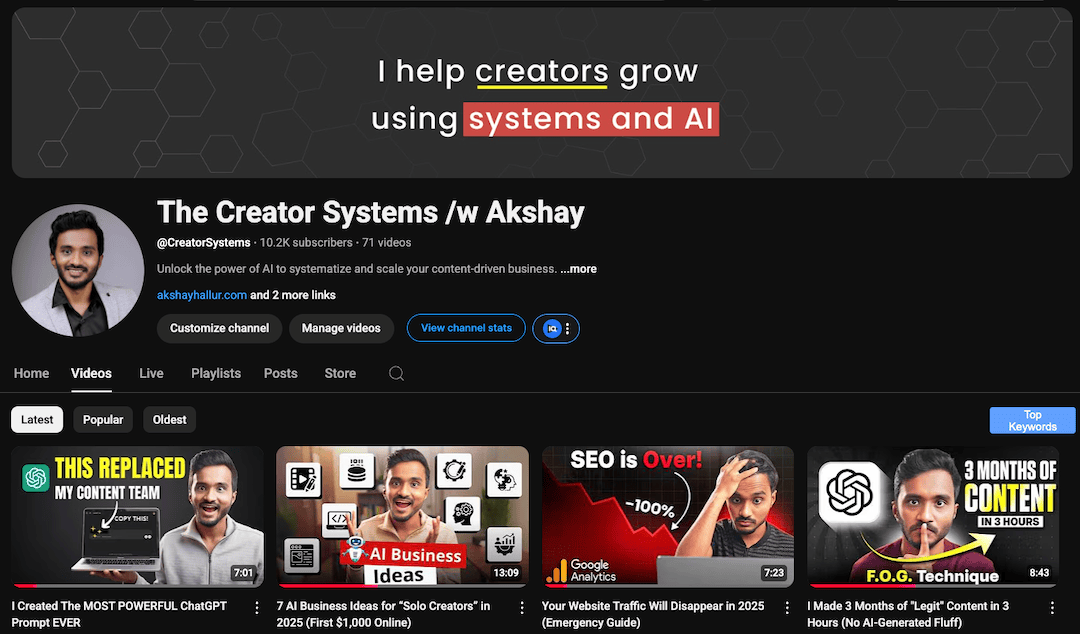
That’s why I focus on long-form YouTube content.
Yes, shorter videos might get more views, but longer videos attract highly engaged viewers who are actively looking for solutions to their problems.
This approach creates deeper connections with your audience.
In these longer videos, you can naturally promote relevant lead magnets.
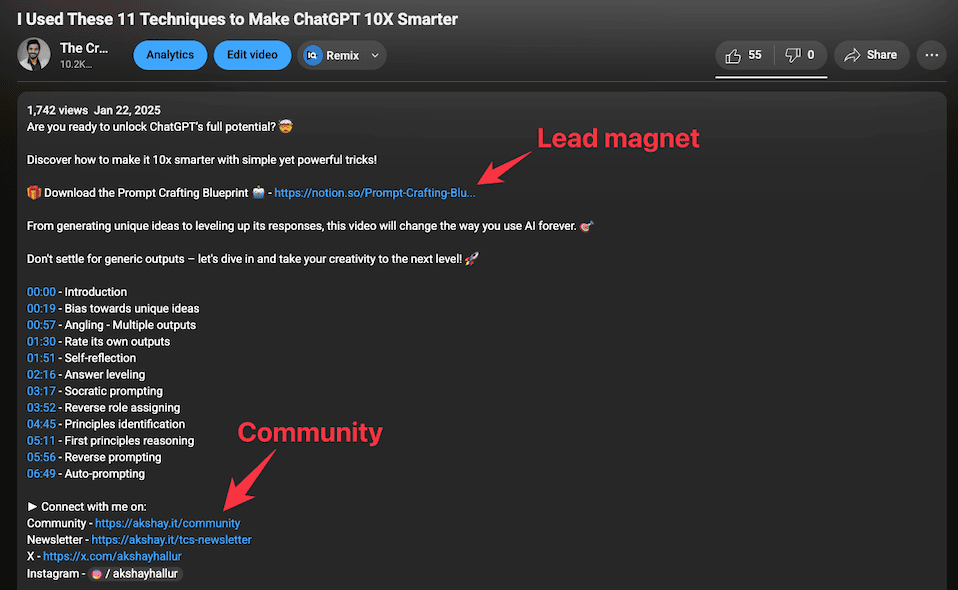
For instance, if you’re teaching ChatGPT prompting techniques, offer a downloadable prompt guide as a logical next step for viewers.
Beyond email lists, consider building your own community.
Whether it’s a Discord server or a dedicated platform like Skool (designed specifically for knowledge workers), these spaces allow you to develop genuine one-on-one connections.
This is where you can:
- Solve specific problems: For your audience
- Offer targeted courses: That address specific needs
- Even secure high-ticket consulting clients: Who value your expertise
The omnichannel myth and reality
There’s a common misconception that being everywhere equals more success.
In reality, creators who focus on mastering a single platform are 3 times more likely to reach six-figure incomes.
However, here’s where AI becomes your ally rather than your enemy.
Instead of manually creating content for multiple platforms, use AI to repurpose your core content intelligently.

Here’s my workflow:
- Create primary content: For newsletters and YouTube during my most productive morning hours
- Use AI to transform: Transcribe videos and turn them into platform-specific content formats
- Schedule content in advance: A month’s worth using tools like Buffer or Planable
- Engage daily: Spend just 30 minutes engaging with audience comments and messages
This system makes me a “10x content creator” without burning out.
All in all…
Remember: While you need a primary platform, the goal is platform independence.
Don’t let algorithms control your destiny.
Focus on building direct connections with your audience through your own platforms and email list.
This approach is truly evergreen because it’s built on human relationships – something AI can’t replicate.
When you’re solving real problems for a specific niche, people need YOU, not an AI avatar.
They want to connect with a real person who understands their challenges.